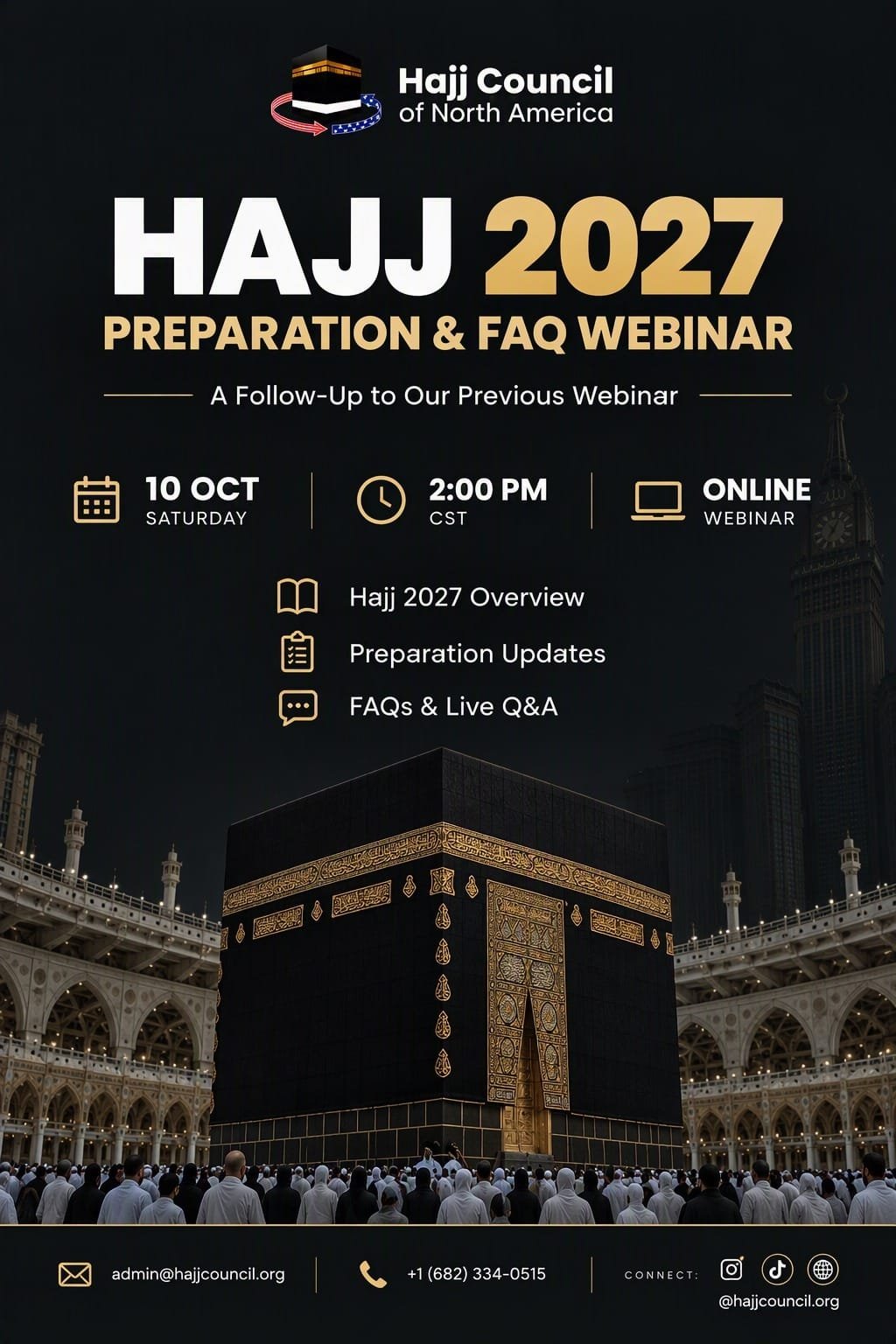
Prophet Muhammad’s (SAWS) Sacred Journeys: The Hajj and Umrah Pilgrimages
Prophet Muhammad (SAWS), the cherished messenger of Islam, embarked on a series of transformative pilgrimages during his lifetime, each journey laden with spiritual significance and historical resonance. From the Umrah of Al-Qadaa to the Farewell Pilgrimage (Hajjat al-wada), these sacred expeditions offer profound insights into the Prophet’s exemplary character, unwavering devotion to Allah, and teachings on peace, unity, and submission to the Divine will. His pilgrimages stand as enduring testaments to his profound faith and serve as guiding beacons for Muslims worldwide, illuminating the path of righteousness and spiritual enlightenment.
Before discussing the Umrah and Hajj of our Prophet Muhammad (PBUH), let us look into the significance of these pilgrimages in Islam.
Umrah and Its Significance in Islam:
Umrah, often referred to as the “lesser pilgrimage,” holds significant spiritual and religious importance in Islam. Unlike Hajj, which is mandatory for every able-bodied Muslim who can afford it at least once in their lifetime, Umrah is a voluntary pilgrimage that can be undertaken at any time of the year.
The rituals of Umrah involve specific acts of worship, including wearing the Ihram (a state of consecration), performing Tawaf (circumambulation) around the Kaaba, and Sa’i (walking) between the hills of Safa and Marwah. These rituals commemorate the actions of Hajar (Hagar) and her son Isma’il (Ishmael) in their search for water in the barren desert, symbolizing faith, perseverance, and trust in Allah’s providence.
Umrah holds several spiritual benefits for Muslims who undertake it. It is an opportunity for believers to cleanse their souls, seek forgiveness for their sins, and draw closer to Allah through acts of devotion and worship. The pilgrimage also fosters a sense of unity and brotherhood among Muslims from diverse backgrounds, as they converge in the holy city of Makkah to perform the sacred rituals together.
Moreover, Umrah serves as a reminder of the transient nature of life and the importance of prioritizing spiritual growth and closeness to Allah. By undertaking the pilgrimage, Muslims reaffirm their commitment to Islam and their desire to lead a life guided by the principles of faith, humility, and obedience to Allah’s commandments.
Hajj and Its Significance in Islam:
Hajj, the “greater pilgrimage,” is one of the five pillars of Islam and holds paramount significance in the lives of Muslims worldwide. It is a mandatory pilgrimage that every able-bodied Muslim who can afford it must undertake at least once in their lifetime.
The rituals of Hajj trace the footsteps of Prophet Ibrahim (Abraham), his wife Hajar, and their son Isma’il (Ishmael), commemorating their obedience to Allah and their trials and sacrifices in the path of faith. The pilgrimage includes specific acts of worship, such as wearing the Ihram, performing Tawaf around the Kaaba, standing in prayer on the plains of Arafat, and stoning the Devil in Mina.
Hajj is a transformative journey that offers Muslims the opportunity to purify their souls, seek forgiveness for their sins, and renew their commitment to Allah. It is a profound spiritual experience that fosters humility, piety, and self-reflection, as pilgrims come face to face with the realities of life, death, and the hereafter.
The significance of Hajj extends beyond individual spirituality to encompass communal unity and solidarity among Muslims worldwide. Regardless of nationality, ethnicity, or social status, pilgrims stand as equals before Allah, united in their devotion and submission to His will. Hajj serves as a powerful symbol of the universal brotherhood of Islam, emphasizing the principles of compassion, empathy, and mutual respect.
Comparison between Umrah and Hajj:
Similarities:
- Pilgrimages to Makkah: Both Umrah and Hajj entail journeys to the holy city of Makkah, the birthplace of Islam and the site of the Kaaba, Islam’s holiest shrine.
- Similar Rituals: Both Umrah and Hajj involve fundamental rituals such as wearing the Ihram (a state of consecration), performing Tawaf (circumambulation) around the Kaaba, and Sa’i (walking) between the hills of Safa and Marwah. These rituals symbolize faith, devotion, and submission to the will of Allah.
- Spiritual Fulfillment: Both Umrah and Hajj offer Muslims the opportunity to seek forgiveness for their sins, draw closer to Allah through acts of worship and devotion, and renew their commitment to faith. These pilgrimages are regarded as highly meritorious acts of worship in Islam, earning spiritual rewards and blessings for the pilgrims.
Differences:
- Obligation: Hajj is an obligatory pilgrimage for every Muslim who meets the criteria, while Umrah is a voluntary act of worship that can be performed at any time of the year. Hajj is considered one of the five pillars of Islam and is incumbent upon those who are physically and financially capable of undertaking the journey.
- Duration and Complexity: Hajj is a more comprehensive pilgrimage compared to Umrah, involving specific rites and rituals spread over several days. The Hajj pilgrimage is a multi-day journey that includes additional rituals such as standing in prayer on the plains of Arafat and stoning the Devil in Mina. Umrah, on the other hand, is typically shorter in duration and can be completed in a few hours.
- Timing: Hajj is performed during specific months of the Islamic calendar, namely Dhu al-Hijjah, specifically from the 8th to the 12th of Dhu al-Hijjah. Umrah, on the other hand, can be undertaken at any time of the year, providing flexibility for pilgrims to perform the pilgrimage according to their convenience.
Spiritual Significance:
Both Umrah and Hajj hold immense spiritual significance in Islam. They offer believers the opportunity to seek forgiveness, purify their souls, and renew their commitment to faith. Whether performing Umrah or Hajj, Muslims experience a profound sense of spiritual fulfillment and renewal as they engage in acts of devotion and worship in the holiest of cities.
In conclusion, while Umrah and Hajj share similarities in their rituals and spiritual significance, they differ in terms of obligation, duration, timing, and complexity. Both pilgrimages serve as profound expressions of faith and devotion, reinforcing the spiritual bond between the individual believer and Allah. Whether undertaking Umrah or Hajj, Muslims embark on a sacred journey of self-discovery, seeking Allah’s mercy, and blessings in the holiest of cities, Makkah.
Here is an overview of the Umrah and Hajj pilgrimages undertaken by Prophet Muhammad (SAWS), each journey representing a significant chapter in Islamic history and offering invaluable lessons on faith, devotion, and perseverance. From the Umrah of Al-Qadaa, marked by diplomatic negotiations and the pursuit of peace, to the Farewell Pilgrimage (Hajjat al-wada), embodying the Prophet’s final act of worship and guidance, these sacred expeditions illuminate the path of righteousness and spiritual enlightenment for Muslims worldwide. Each pilgrimage is a testament to the Prophet’s unwavering commitment to Allah and his teachings, serving as timeless examples of humility, piety, and submission to the Divine will.
Umrah of Al-Qadaa:
The Umrah of Al-Qadaa holds profound historical significance in the annals of Islam, marking a pivotal moment in the life of Prophet Muhammad (SAWS) and the early Muslim community. This pilgrimage, undertaken in the 6th year after the Hijrah (628 CE), carried immense symbolic weight as it represented the first attempt by the Muslims to return to Makkah for religious rites following their migration from the city years earlier.
As Prophet Muhammad (SAWS) and his companions set out from Medina with the noble intention of performing Umrah, they were driven by a deep desire to reconnect with the sacred precincts of the Kaaba and engage in acts of worship. However, their peaceful intentions were met with staunch opposition from the Quraysh leaders of Makkah, who were wary of the growing influence and presence of the Muslim community.
Despite facing resistance and encountering obstacles along their journey, Prophet Muhammad (SAWS) remained steadfast in his commitment to peaceful resolution and sought to negotiate with the Quraysh. The eventual signing of the Treaty of Hudaibiya facilitated through diplomatic negotiations, marked a significant turning point in the relationship between the Muslims and the Quraysh.
Although the Umrah rituals were not completed as initially intended, the journey to Hudaibiya and the subsequent treaty laid the foundation for future diplomatic relations and paved the way for peaceful coexistence between the two parties. The terms of the treaty, which included a ceasefire and provisions for cooperation, served to alleviate tensions and fostered an environment of stability and reconciliation in the region.
The Umrah of Al-Qadaa exemplifies Prophet Muhammad’s (SAWS) unwavering commitment to peace, diplomacy, and the resolution of conflicts through dialogue and negotiation. It serves as a testament to the importance of patience, perseverance, and wisdom in the face of adversity, as well as the enduring significance of diplomacy in building bridges between communities and fostering mutual understanding.
Ultimately, while the Umrah rituals may not have been fulfilled during this journey, the profound impact of the Umrah of Al-Qadaa reverberated throughout history, laying the groundwork for future engagements and paving the way for the eventual conquest of Makkah by the Muslims. This pilgrimage remains a timeless reminder of the power of diplomacy, resilience, and faith in overcoming obstacles on the path to righteousness and peace.
The Treaty of Hudaibiya
The Treaty of Hudaibiya stands as a pivotal moment in the history of Islam, marking a significant turning point in the relationship between the Muslim community and the Quraysh tribe of Mecca. It was a peace treaty signed between the Prophet Muhammad (SAWS) and the leaders of Mecca in the 6th year after the Hijrah (628 CE), following negotiations at the oasis of Hudaibiya.
The treaty was prompted by the desire of Prophet Muhammad (SAWS) and his companions to perform the Umrah pilgrimage in Mecca, which was prevented by the Quraysh’s refusal to allow them entry into the city. Despite the Muslims’ peaceful intentions, the Quraysh were apprehensive about the growing influence and presence of the Muslim community.
Under the terms of the treaty, both parties agreed to a ceasefire for a period of ten years, during which they would refrain from hostilities and engage in peaceful coexistence. The treaty also stipulated that any individual from Mecca who embraced Islam and sought refuge with the Muslims would be returned to Mecca, while any Muslim who fled to Mecca would not be returned to Medina.
Although the terms of the treaty appeared to be disadvantageous to the Muslims at first glance, it ultimately paved the way for greater diplomatic engagement and facilitated the spread of Islam. The peace and stability provided by the treaty allowed the Muslim community to expand its influence and gain acceptance among the tribes of Arabia.
Furthermore, the Treaty of Hudaibiya served as a test of faith and patience for the Muslim community, as they demonstrated their willingness to trust in the wisdom and guidance of the Prophet Muhammad (SAWS). Despite initial objections from some of his companions, the Prophet’s unwavering conviction in the treaty’s benefits ultimately proved to be prescient.
In retrospect, the Treaty of Hudaibiya represented a strategic triumph for the Muslim community, as it laid the groundwork for future victories and conquests, including the eventual peaceful conquest of Mecca itself. It demonstrated the power of diplomacy, patience, and perseverance in resolving conflicts and building bridges between disparate communities.
Overall, the Treaty of Hudaibiya remains a testament to the Prophet Muhammad’s (SAWS) leadership and foresight, as well as the enduring principles of peace, reconciliation, and mutual respect that underpin Islamic teachings. It serves as a timeless example of the importance of dialogue and negotiation in resolving disputes and fostering harmony among diverse societies.
Second Umrah:
The Second Umrah, occurring in the 7th year after the Hijrah, holds significant historical importance in the narrative of Islam, particularly in the aftermath of the Treaty of Hudaibiya. This pilgrimage, undertaken by Prophet Muhammad (SAWS) and his companions, marked a crucial moment of reconciliation and renewed relations between the Muslim community and the inhabitants of Makkah.
Following the signing of the Treaty of Hudaibiya, which brought an end to hostilities between the Muslims and the Quraysh of Makkah, Prophet Muhammad (SAWS) seized the opportunity to fulfill the terms stipulated in the treaty. Among these terms was the agreement to allow the Muslims to perform Umrah in Makkah the following year.
In adherence to the treaty, Prophet Muhammad (SAWS) led a group of his companions from Medina to Makkah in the 7th year after the Hijrah, embarking on the Second Umrah pilgrimage. This journey was characterized by a spirit of peace, reconciliation, and mutual respect, as the Muslims sought to engage with the inhabitants of Makkah in a spirit of goodwill and cooperation.
The Second Umrah pilgrimage served as a symbolic gesture of reconciliation and forgiveness, signaling the desire of the Muslim community to mend relations with their erstwhile adversaries. It provided an opportunity for both Muslims and the people of Makkah to come together in the spirit of brotherhood and unity, transcending past conflicts and animosities.
Moreover, the Second Umrah pilgrimage facilitated increased interaction and communication between the Muslims and the inhabitants of Makkah, fostering mutual understanding and paving the way for future cooperation. It catalyzed the gradual acceptance of Islam in Makkah and the wider Arabian Peninsula, as the principles of peace, tolerance, and compassion espoused by the Prophet Muhammad (SAWS) began to resonate with the people of Makkah.
Overall, the Second Umrah pilgrimage represented a significant milestone in the history of Islam, symbolizing the triumph of diplomacy, reconciliation, and forgiveness over conflict and hostility. It underscored the Prophet Muhammad’s (SAWS) commitment to peace and his unwavering dedication to fostering harmonious relations among diverse communities, setting a powerful example for generations to come.
Third Umrah:
The Third Umrah, which took place in the 8th year after the Hijrah, holds profound significance in the life of Prophet Muhammad (SAWS) and the history of Islam. This pilgrimage occurred in the aftermath of the Battle of Hunain, a significant military engagement that tested the faith and resolve of the Muslim community.
Despite the challenges posed by warfare and conflict, Prophet Muhammad (SAWS) remained steadfast in his commitment to worship and devotion. The Third Umrah pilgrimage exemplified his unwavering dedication to fulfilling religious obligations, even amidst the trials and tribulations of battle.
Following the conclusion of the Battle of Hunain, Prophet Muhammad (SAWS) seized the opportunity to embark on the Third Umrah pilgrimage, leading his companions from the battlefield to the sacred precincts of Makkah. This journey underscored the Prophet’s deep reverence for the rituals of Umrah and his determination to prioritize spiritual matters amid the exigencies of warfare.
The Third Umrah pilgrimage served as a powerful reminder of the importance of maintaining a strong connection with Allah and seeking solace in acts of worship, even amid adversity. It demonstrated the Prophet’s unwavering faith and his belief in the transformative power of spiritual devotion to uplift the hearts and minds of believers, especially during times of hardship and struggle.
Moreover, the Third Umrah pilgrimage provided an opportunity for the Muslim community to seek forgiveness for any shortcomings or mistakes committed during the battle. It served as a means of spiritual purification and renewal, allowing the companions of the Prophet (SAWS) to reflect on their actions and seek Allah’s mercy and guidance.
Overall, the Third Umrah pilgrimage exemplified Prophet Muhammad’s (SAWS) commitment to worship, devotion, and spiritual growth, even in the face of adversity. It highlighted the importance of maintaining faith and resilience in times of hardship, while also emphasizing the transformative power of spiritual practices in nurturing the souls of believers and strengthening their bond with Allah.
Fourth Umrah and Hajj:
The Fourth Umrah and Hajj, commonly referred to as the Farewell Pilgrimage (Hajjat al-wada), stand as seminal events in Islamic history, embodying the culmination of Prophet Muhammad’s (SAWS) mission and serving as a comprehensive demonstration of the rituals and teachings of Hajj.
Occurring in the 10th year after the Hijrah, shortly before the Prophet’s passing, the Farewell Pilgrimage holds a place of utmost significance in the hearts of Muslims worldwide. It was during this pilgrimage that the Prophet (SAWS) performed both Umrah and Hajj, combining the essential rites of both pilgrimages into a single journey.
The Farewell Pilgrimage began with the Prophet (SAWS) and his companions setting out from Medina towards Makkah, donning the Ihram garments, and entering a state of consecration for the pilgrimage. As they journeyed towards the sacred precincts of Makkah, they were accompanied by thousands of believers, eager to partake in this historic event and receive the blessings of being in the company of the Messenger of Allah.
Upon reaching Makkah, the Prophet (SAWS) performed the rites of Umrah, circumambulating the Kaaba and completing the other prescribed rituals with utmost reverence and devotion. Following the completion of Umrah, the Prophet (SAWS) proceeded to fulfill the rites of Hajj, embarking on the journey to the plains of Arafat, where he would deliver his famous farewell sermon.
From the elevated plains of Arafat, surrounded by a sea of believers, Prophet Muhammad (SAWS) delivered his farewell sermon, imparting timeless wisdom and guidance to his followers. In his address, he emphasized the principles of justice, equality, compassion, and the sanctity of human life, leaving behind a legacy that continues to inspire generations of Muslims.
Throughout the Farewell Pilgrimage, the Prophet’s conduct exemplified humility, piety, and submission to the will of Allah. His teachings on peace, forgiveness, and unity resonated deeply with his companions, who bore witness to his final major address and guidance.
The Farewell Pilgrimage marked the culmination of Prophet Muhammad’s (SAWS) mission on earth and served as a testament to his unwavering commitment to spreading the message of Islam. It remains a cornerstone of Islamic history, symbolizing the completion of the Hajj rituals and the Prophet’s final act of worship before his eventual passing.
Today, the Farewell Pilgrimage serves as a source of inspiration and guidance for Muslims worldwide, reminding believers of the importance of faith, humility, and compassion in their lives. It stands as a timeless testament to the Prophet’s exemplary character and his enduring legacy of love, mercy, and devotion to Allah.
Conclusion
The Hajj and Umrah pilgrimages of Prophet Muhammad (SAWS) indeed hold paramount significance in the tapestry of Islamic history, serving as profound expressions of devotion, spirituality, and unwavering faith. These sacred journeys represent pivotal moments that encapsulate the essence of the Islamic faith, imparting timeless lessons and guidance for Muslims across generations.
At the heart of both the Hajj and Umrah pilgrimages lies the example set by the Prophet Muhammad (SAWS) himself. His conduct during these journeys exemplified humility, piety, and submission to the will of Allah, serving as a beacon of guidance for believers striving to walk the path of righteousness. From donning the simple garments of Ihram to performing the prescribed rituals with utmost sincerity and reverence, the Prophet’s actions during these pilgrimages set a precedent for all Muslims to follow.
Moreover, the Hajj and Umrah pilgrimages of Prophet Muhammad (SAWS) serve as powerful reminders of the importance of spiritual growth and enlightenment in the lives of believers. Through these sacred journeys, Muslims are encouraged to seek forgiveness for their sins, draw closer to Allah, and renew their commitment to faith. The rituals performed during Hajj and Umrah serve as vehicles for inner purification and self-reflection, allowing believers to shed the burdens of worldly concerns and connect with the divine on a deeper level.
Furthermore, the Hajj and Umrah pilgrimages of Prophet Muhammad (SAWS) hold profound historical and symbolic significance for the Muslim community. They signify the unity and solidarity of the Ummah, as millions of Muslims from diverse backgrounds and cultures come together in Makkah to perform these sacred rituals. The sight of believers from every corner of the globe united in worship and devotion, serves as a powerful testament to the universality of Islam and the strength of the Muslim bond.
In conclusion, the Hajj and Umrah pilgrimages of Prophet Muhammad (SAWS) stand as timeless embodiments of devotion, spirituality, and steadfastness in faith. These sacred journeys serve as guiding lights for Muslims, inspiring them to emulate the Prophet’s noble example and strive for spiritual growth and enlightenment in their own lives. Through the rituals of Hajj and Umrah, believers find solace, strength, and renewal, as they journey towards the divine presence of Allah.